HDB Flat Electrical Wiring Lifespan: Does 25 Years Mean You Must Rewire?
If your HDB flat is around 25 years old, it is worth checking the condition of its electrical wiring, particularly if the installation has never been replaced. Singapore's Housing & Development Board (HDB) estimates the average lifespan of PVC electrical cables at approximately 25 years and advises replacing wiring when its lifespan is over or its condition has deteriorated. However, reaching 25 years does not automatically mean every flat needs a complete rewire. The actual condition of the wiring and the findings of a professional assessment should guide that decision.
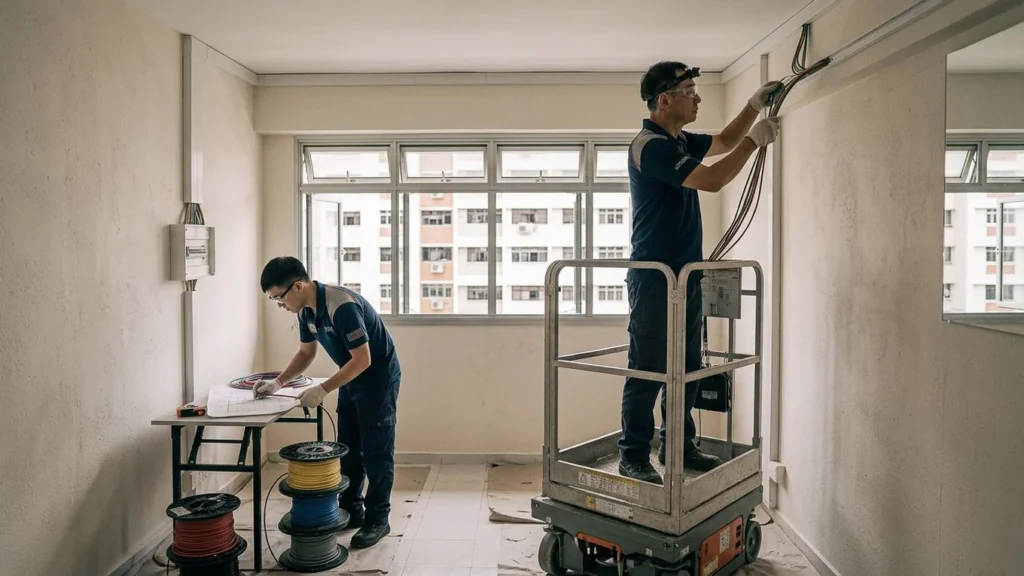
This matters if you live in an older HDB flat, have recently bought a resale unit or are planning a major renovation. Wiring can remain hidden behind walls, ceilings and other finishes, so its condition is not always obvious. Knowing when to arrange an inspection can help you plan the necessary work before renovation begins or an electrical fault disrupts everyday life.
1. How Long Does Electrical Wiring Last in an HDB Flat?
HDB's home maintenance guidance estimates that PVC electrical cables have an average lifespan of around 25 years. This is a useful reference for homeowners, but it should not be treated as a guarantee that every cable will fail at the same age.
Electrical wiring deteriorates according to several factors, including the type of cable, installation conditions, exposure to heat or moisture, previous modifications and the electrical loads placed on the circuits over time.
For example, two HDB flats completed in the same year may have different electrical conditions. One may still have its original wiring, while the other may have undergone a previous rewiring project. Even within the same flat, some circuits may have been modified while others remain unchanged.
When considering the age of your installation, ask:
- When was the flat originally completed?
- Has the electrical wiring ever been replaced?
- Were the wiring and distribution board modified during previous renovations?
- Have there been recurring electrical faults or signs of overheating?
- Are you planning to add new electrical points or high-demand appliances?
The answers help establish whether an inspection is worthwhile. They do not, by themselves, determine whether a complete replacement is necessary.
For the official guidance, refer to HDB's page on maintaining electrical accessories and wiring in HDB flats.
2. Does a 25-Year-Old HDB Flat Always Need Rewiring?
No. The age of the flat is an important consideration, but a decision about rewiring should not be based on age alone.
A professional assessment helps determine whether the existing wiring remains suitable for the property or whether repairs, partial rewiring or a complete replacement would be more appropriate.
Consider these situations.
An older flat with no known electrical problems
If the wiring is original and approaching or beyond its expected lifespan, arrange an assessment even if the electrical supply appears normal. Hidden deterioration may not produce obvious symptoms, and an inspection can help establish the condition of accessible wiring and the next steps.
A flat with recurring electrical faults
Frequent unexplained power trips, unusual heat around electrical fittings or repeated wiring problems deserve closer attention. The cause could be a defective appliance, an overloaded circuit, a damaged cable or another electrical fault. Testing is needed before deciding whether rewiring is necessary.
A recently purchased resale flat
If the previous owner cannot confirm when the wiring was last replaced, do not assume that the installation is new simply because the flat looks renovated. Ask for available electrical-work records and consider an inspection before undertaking further modifications.
A flat undergoing major renovation
A renovation is a practical time to assess old wiring because access to walls, ceilings and electrical routes may already be available. Identifying the required electrical work before finishing surfaces can reduce the chance of reopening completed areas later.
The objective is not to replace wiring unnecessarily. It is to understand the installation's current condition and make an informed decision about safety, reliability and future electrical requirements.
3. Warning Signs That Your HDB Wiring Needs Attention
Electrical cables can deteriorate without visible symptoms, but certain problems indicate that an installation should be checked promptly.
Frequent power trips without an obvious cause
If a circuit breaker repeatedly trips during normal use, the cause needs to be identified. Possible explanations include a faulty appliance, an overloaded circuit, damaged wiring or a problem with the protective device.
Repeated trips do not automatically mean the entire flat needs rewiring. However, continuing to reset the breaker without identifying the fault is not a safe long-term solution.
Burning smells near sockets or switches
A burning-plastic smell near a power point, light switch or distribution board may indicate overheating or a damaged connection. Stop using the affected fitting and arrange an inspection. If there is smoke, active sparking or an immediate fire risk, keep away and contact emergency services.
Warm, discoloured or melted electrical fittings
Unusual heat, dark marks or melted plastic around a socket or switch may indicate an electrical connection problem. Do not remove the cover or touch exposed components to investigate.
Flickering lights or unexplained changes in brightness
Occasional flickering can have several causes, including a defective bulb or fitting. Persistent flickering affecting multiple lights, particularly alongside other electrical symptoms, warrants an assessment.
Repeated faults in the same part of the installation
If the same circuit develops problems despite previous repairs, ask whether the underlying cause has been identified. Replacing an individual fitting may not resolve a fault in the wiring supplying it.
These symptoms are reasons to investigate, not proof that a full rewire is required. An electrician should establish the source of the problem before recommending a repair or replacement.
For damaged cables or suspected wiring faults, see our electrical wiring repair service in Singapore.
4. Should You Choose Partial Rewiring or a Complete Rewire?
One of the biggest questions for homeowners is whether every circuit needs to be replaced or whether a smaller repair will be sufficient.
The right option depends on how widespread the deterioration is, which circuits are affected, the condition of the remaining wiring and any planned electrical changes.
When partial rewiring may be appropriate
Partial rewiring may be considered when an inspection identifies a specific damaged section or a limited number of circuits that need replacement, while the rest of the installation is found to be suitable for continued use.
For instance, renovation work may damage a cable serving one area of the home, or an inspection may identify a localised fault. If the problem is isolated and the remaining installation is in satisfactory condition, a targeted repair or replacement may be possible.
However, the decision should not be made simply to keep costs down. A limited repair is appropriate only when it addresses the fault and leaves the rest of the installation suitable for its intended use.
When a complete rewire may be the better option
A complete rewire may be recommended when deterioration affects multiple circuits, the existing wiring is broadly unsuitable, or several areas require replacement at the same time.
It may also make practical sense during a major renovation when the installation needs substantial changes to accommodate a new layout, additional electrical points or revised circuit arrangements.
A professional should explain why a complete replacement is being recommended and which parts of the installation are included in the work.
Before agreeing to a quotation, clarify whether the proposed scope covers the wiring, electrical points, distribution board changes where necessary, testing and the relevant documentation.
To understand what residential rewiring involves, see our residential rewiring service for HDB flats, condominiums and landed homes.
5. Why Renovation Is a Good Time to Check Old Electrical Wiring
Many homeowners consider electrical work only after a fault occurs. However, renovation provides an opportunity to review the existing installation before new finishes, cabinets and fixtures are completed.
This is particularly relevant if you are renovating an older resale HDB flat or changing the arrangement of the kitchen, bedrooms or living area.
For example, a kitchen renovation may introduce an induction cooker, an oven or other appliances with significant electrical demand. The existing wiring and circuits must be suitable for the proposed equipment; simply adding another socket does not establish that the installation can support the new load.
Before renovation begins, consider the following:
- Existing wiring: Establish whether the original installation has been replaced and whether any known faults require attention.
- New electrical points: Plan the positions of sockets, switches and lighting points according to how each room will be used.
- Appliance requirements: Identify higher-demand appliances so their electrical requirements can be assessed before installation.
- Distribution board condition: Check whether the board, protective devices and circuit arrangement are suitable for the proposed work.
- Access to wiring routes: Discuss how electrical work can be coordinated with hacking, ceiling work and other renovation activities.
Planning this early makes it easier to agree on the scope of work and minimise avoidable changes once the renovation is underway.
For HDB renovations, check the latest HDB guidelines for electrical works. Requirements depend on the type of work and the existing installation, so do not assume that every electrical modification has the same approval requirements.
Note: Do Not Wait for a Fault to Prove That Wiring Is Old
Electrical wiring can deteriorate without obvious external signs. If your HDB flat is approaching or beyond the expected lifespan of its original PVC cables, arrange an assessment rather than relying only on whether the lights and sockets still work.
If you notice a burning smell, unusual heat, visible cable damage or repeated electrical faults, take the symptoms seriously. Stop using affected equipment where appropriate and seek professional assistance. Smoke, active sparking or an immediate fire hazard requires urgent action.
Do not attempt to inspect concealed wiring by opening walls or removing electrical fittings yourself. Electrical installation work should be carried out by an appropriately licensed electrical worker.
6. What Happens During an Electrical Wiring Assessment?
An electrical assessment helps establish the condition of the installation and whether any repairs or upgrades are required. The exact checks depend on the property's layout, the symptoms reported and the work being considered.
A typical assessment may involve reviewing the known history of the installation, inspecting accessible electrical components and identifying any signs of damage or overheating.
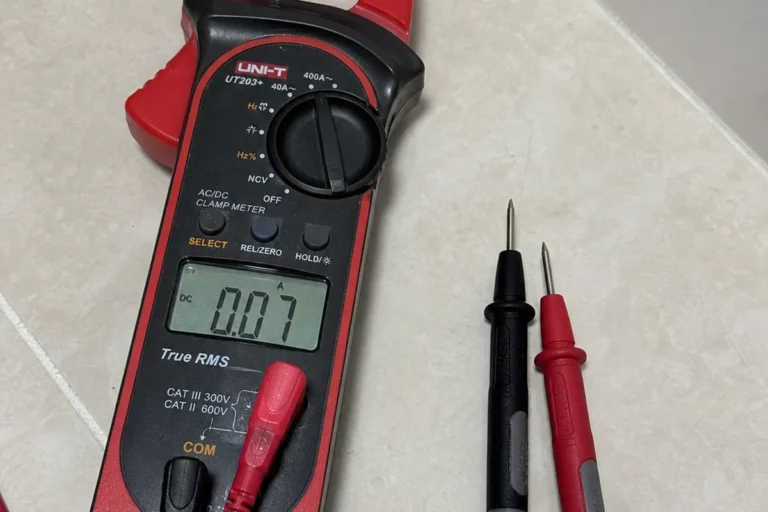
Where appropriate, the electrician may also assess circuit arrangements and protective devices and carry out relevant electrical tests.
The findings should help distinguish between three different situations.
A localised electrical fault: A specific fitting, connection or cable section requires attention. A targeted repair may be possible if the remaining installation is suitable.
Wiring that requires broader replacement: The inspection identifies deterioration or other concerns affecting multiple areas. Partial or complete rewiring may be recommended according to the findings.
An installation that needs to accommodate new electrical demand: The existing circuits, distribution board or supply arrangement need to be assessed against the intended appliances and modifications.
These are different problems and should not automatically lead to the same recommendation.
For example, replacing a distribution board does not by itself replace deteriorated cables hidden behind walls. Similarly, new wiring does not necessarily mean the entire electrical supply arrangement requires upgrading.
A useful assessment should explain the problem, the proposed solution and the scope of work before the project begins.
If you are planning to add high-demand appliances or change your home's electrical arrangements, our HDB electrical loading check service may also be relevant.
7. Who Can Carry Out Electrical Rewiring in an HDB Flat?
Electrical rewiring is not a suitable DIY project. Work involving new wiring, extensions, modifications and other fixed electrical installations must be carried out by an appropriately licensed electrical worker under Singapore's requirements.
HDB also publishes conditions for electrical renovation work, including circumstances in which permits are required. The applicable requirements depend on the work being proposed and the flat's existing arrangement.
Before appointing a contractor, check the following:
- Whether the electrical worker holds a valid EMA-issued licence appropriate to the work.
- Whether the scope clearly explains what will be replaced, modified or retained.
- Whether applicable approvals, inspections and testing have been addressed.
- Whether the work will be tested and the required documentation provided.
- Whether the quotation identifies the major components and any exclusions.
You can refer to EMA's official guidance on engaging licensed electrical workers.
A clear quotation and a defined scope help you understand what is being recommended and make it easier to compare proposals fairly.
Frequently Asked Questions
1. How long does electrical wiring last in an HDB flat?
HDB estimates the average lifespan of PVC electrical cables at approximately 25 years. Actual condition varies depending on the cable type, installation and operating conditions. The age of the wiring should prompt a review when appropriate, but a professional assessment is needed to determine whether replacement is necessary.
2. Do I need to rewire my HDB flat if it is more than 25 years old?
Not automatically. An older flat may need an inspection, particularly if the original wiring is still in place or the history of previous electrical work is unknown. The decision between retaining the wiring, repairing particular circuits, undertaking partial rewiring or completing a full rewire should depend on the assessment findings.
3. Can I replace only the damaged electrical wiring?
Yes, a targeted repair or partial replacement may be appropriate when the fault is localised and the remaining installation is suitable for continued use. If deterioration affects multiple circuits, broader replacement may be more appropriate. A licensed electrical worker should establish the extent of the problem before recommending the scope.
4. Should I check the wiring before renovating a resale HDB flat?
Yes, reviewing the existing installation before major renovation is a sensible precaution, especially when the wiring history is unclear or the electrical layout will change. Identifying necessary electrical work early can help coordinate it with wall, ceiling and cabinetry work.
5. Does installing a new DB box mean my old electrical wiring is safe?
No. A new distribution board can improve or replace the board and its components, but it does not automatically resolve deterioration in cables elsewhere in the flat. The wiring and the distribution board should be assessed according to the installation's condition and electrical requirements.
6. How can I arrange an electrical wiring inspection in Singapore?
Contact an appropriately licensed electrical worker and explain the flat's age, whether the wiring has previously been replaced, any recurring faults and your renovation plans. This information helps determine the appropriate assessment. TRUST ELECTRICIANS can be contacted on +65 8409 2646 to discuss your requirements.
Make an Informed Decision About Your HDB Flat's Electrical Wiring
The 25-year guideline is a useful reminder to pay attention to an older electrical installation, but it should not be used as a substitute for an assessment. Some properties may need only a limited repair, while others may benefit from partial or complete rewiring because of the condition of the existing cables or the electrical requirements of a planned renovation.
If your flat has original wiring, an uncertain electrical history or recurring faults, arranging an assessment can help you understand the actual condition of the installation and plan the necessary work.
TRUST ELECTRICIANS provides residential rewiring, electrical wiring repairs, inspections and electrical upgrade services for HDB flats, condominiums and landed properties across Singapore. The recommended scope should be based on the condition of your installation and the work your property requires.
For enquiries, call TRUST ELECTRICIANS on +65 8409 2646.
Official sources
- Official source: HDB, Maintaining Electrical Accessories and Wiring in HDB Flats
- Official source: HDB, Renovation Guidelines for Electrical Works
- Official source: Energy Market Authority (EMA), Engaging Licensed Electrical Workers
Guides are written for general information and checked against the official sources above. Electrical work on fixed installations in Singapore must be carried out by a licensed electrical worker.
Trust Electricians
Need help with an electrical problem?
Talk to a BCA-registered, EMA-licensed electrical contractor. We explain what we find and quote before any work starts, for HDB, condo, landed and commercial properties across Singapore.