Water Heater Switch Not Working in Singapore? Causes and Safe Steps
When your water heater switch stops working, the problem may be a faulty wall switch, a damaged electrical connection, a tripped circuit breaker or a fault inside the heater itself. If the switch feels unusually hot, has turned black or smells burnt, stop using the water heater and arrange a professional inspection rather than trying to fix it yourself.
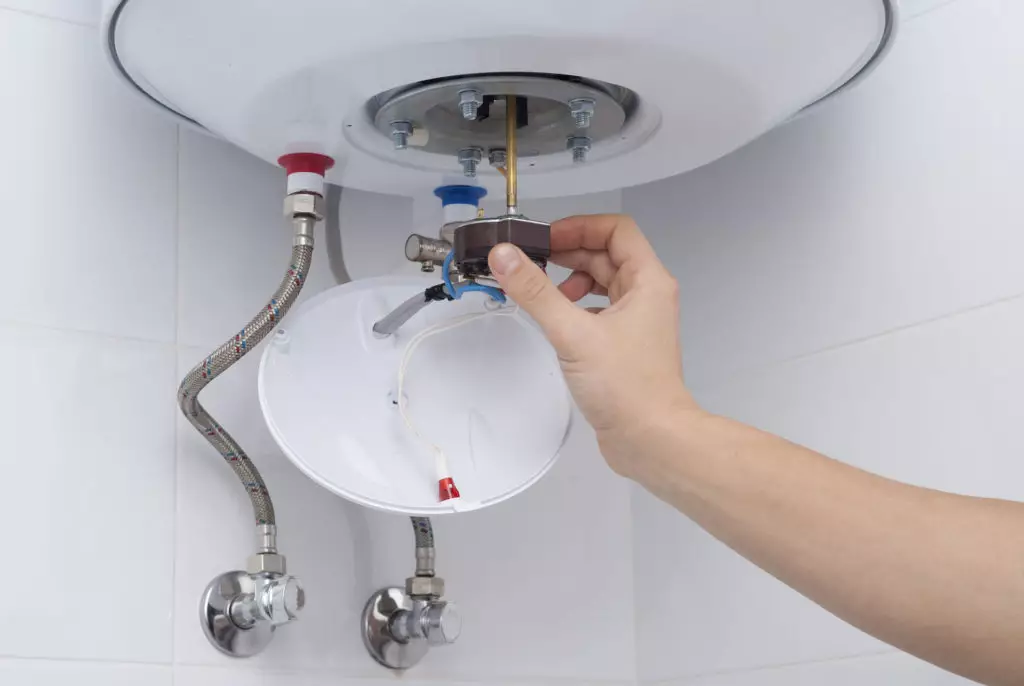
In Singapore homes, where instant and storage water heaters are common, these problems can be particularly inconvenient when you need a shower. The important thing is to identify whether the issue involves the switch, the electrical supply or the appliance, without putting yourself at risk.
1. Your Water Heater Switch Is On, but There Is No Hot Water
You turn on the bathroom switch, wait for the heater to work, but the water stays cold. It is tempting to assume that the water heater has reached the end of its life, but that is not always the case.
The fault may lie in the wall-mounted isolator switch, the circuit breaker, the heater's internal components or the electrical connection supplying the unit.
Possible causes include:
- A faulty isolator switch: The switch mechanism or its internal contacts may have deteriorated.
- A tripped circuit breaker: The water heater circuit may have lost its power supply.
- An internal heater fault: A failed heating element or another defective component may prevent the unit from heating.
- A damaged electrical connection: A loose or deteriorated connection may interrupt the supply.
- A problem with the appliance itself: The heater may require servicing or replacement.
Start by noting whether the switch appears normal and whether other parts of the home have power. Do not remove the switch cover or open the distribution board to investigate.
If the switch is damaged, unusually hot or producing a burning smell, do not operate it again. Arrange a professional inspection to determine whether the problem is electrical or appliance-related.
For installation and replacement options, see our water heater installation and replacement service in Singapore.
2. Your Water Heater Switch Feels Hot to the Touch
A water heater isolator switch that becomes unusually hot is a warning sign, especially when the heat comes with a buzzing sound, discolouration or a burning smell.
One possible cause is a loose internal connection. When electrical contact deteriorates, resistance can increase and generate heat. Damaged contacts or an unsuitable or deteriorated switch may also be responsible.
Pay attention to these symptoms:
- The switch becomes noticeably warmer than usual.
- The plastic cover starts to turn yellow, brown or black.
- You notice a burnt-plastic smell near the switch.
- The switch makes unusual buzzing or crackling sounds.
Do not continue using the heater to see whether the switch becomes hotter. If the fitting is already unusually hot, avoid touching or operating it, and arrange an inspection.
Replacing a damaged switch without checking its connections and the surrounding circuit may leave the underlying fault unresolved.
A qualified electrical worker can inspect the isolator, connections and circuit protection to determine what needs to be repaired or replaced.
3. Your Water Heater Switch Has Black Marks or a Burning Smell
Black marks around the switch, melted plastic or a persistent burning smell should be treated as a potentially serious electrical fault.
These symptoms may indicate overheating, electrical arcing or deteriorated internal contacts. In some cases, the damage develops gradually and the switch continues to operate for a while before failing completely.
Do not assume that a switch is safe simply because the water heater still produces hot water.
If you notice any of these warning signs:
- Stop using the water heater.
- Do not remove the switch cover to inspect the wiring.
- Do not attempt to tighten terminals or replace the fitting yourself.
- Keep away from the switch if there is smoke, visible melting or active sparking.
If the switch is smoking or there is an immediate fire risk, move away and contact emergency services. Do not touch a damaged fitting in an attempt to disconnect it.
A damaged isolator may need replacement, but the electrician should first determine why it overheated. Depending on the findings, the repair may also involve the cable connection or another component in the circuit.
For faults involving fixed wiring or electrical fittings, our electrical repair service in Singapore can help identify the appropriate next step.
4. The Circuit Breaker Trips Every Time You Turn On the Water Heater
If the circuit breaker or safety switch trips whenever you switch on the water heater, do not keep resetting it.
A protective device trips to interrupt the electrical supply when it detects a condition that requires attention. The cause could be within the heater, its wiring or the protection device itself.
Common possibilities include:
A faulty heating element: An internal component may have deteriorated and developed an electrical fault.
Current leakage: Damaged insulation, moisture or a faulty appliance may allow current to leak, causing an RCCB or RCBO to trip.
Damaged wiring or an isolator: A defective connection or damaged cable may cause a short circuit or another electrical fault.
A problem with the circuit protection: The protective device may itself need testing to establish whether it is operating correctly.
The timing can help an electrician narrow down the cause. For example, a trip that occurs immediately when the heater is switched on may suggest a different fault from one that occurs after the heater has been operating for several minutes. However, the timing alone cannot confirm the diagnosis.
Never bypass a safety switch or replace a breaker with one of a higher rating simply to prevent it from tripping.
If your water heater repeatedly interrupts the electricity supply, arrange a proper diagnosis through our power trip electrician service in Singapore.
5. The Water Heater Switch Clicks, but Nothing Happens
Sometimes you can hear or feel a switch click, yet the heater does not start. In other cases, the switch feels loose or no longer operates as it used to.
The click itself does not confirm that electricity is reaching the heater. The switch contacts may have failed, the circuit breaker may have tripped or the appliance may have developed an internal fault.
The safest response is to stop repeatedly operating the switch and have the problem checked.
An electrician can assess the switch, electrical connections and supply to distinguish between a faulty isolator and a fault elsewhere in the circuit. If the supply and switch are functioning correctly, the heater may require separate appliance servicing.
This distinction matters because replacing an entire water heater when the fault is limited to the switch may be unnecessary. Equally, replacing the switch alone will not resolve a fault inside the heater.
A proper diagnosis helps identify the actual repair needed before any replacement work begins.
6. Is the Problem with the Switch or the Water Heater?
A water heater that stops working does not automatically need to be replaced. The symptoms can provide useful clues, although testing is needed to confirm the cause.
Here is how the possibilities differ.
The switch looks damaged or smells burnt: The isolator or its electrical connections may be overheating. Stop using the heater and arrange an inspection.
The breaker trips whenever the heater starts: The heater, its wiring or a protective device may have developed a fault. Do not repeatedly reset the breaker.
The switch appears normal, but the heater produces no hot water: The problem could involve the electrical supply or an internal heater component.
The heater operates inconsistently: An intermittent connection, switch fault or appliance problem may be responsible.
There is visible water leaking from the heater: Stop using the unit. Keep away from wet electrical fittings and seek professional assistance. Do not touch the heater or switch with wet hands.
These symptoms are clues rather than final diagnoses. The correct solution depends on the type of heater, the condition of the existing installation and the results of testing.
If the heater itself is defective, replacement may be appropriate. If the issue is an electrical isolator or connection, the necessary repair may be much more limited.
Note: Do Not Attempt DIY Repairs to a Damaged Water Heater Switch
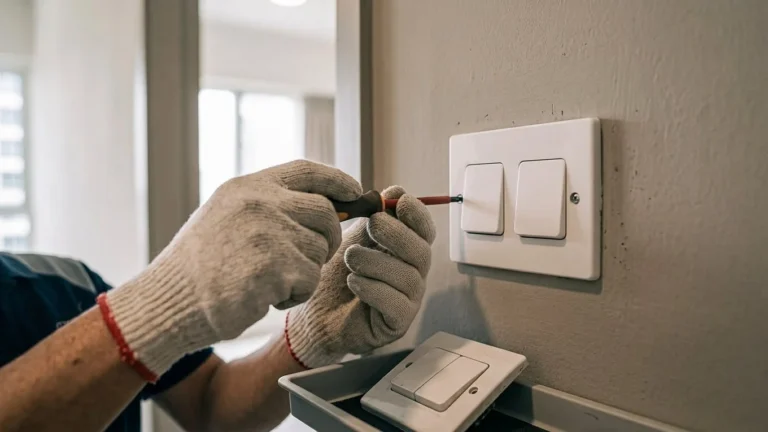
A water heater switch is connected to an electrical circuit, often in a bathroom where water and electricity are in close proximity. A damaged or overheated fitting can present a risk of electric shock or fire.
Do not remove the cover, touch exposed wires, tighten internal terminals or replace the isolator yourself.
If the switch is smoking, sparking or visibly melting, keep away and contact emergency services if there is immediate danger. Otherwise, stop using the heater and arrange a professional inspection.
Singapore's Energy Market Authority (EMA) advises consumers to engage appropriately licensed electrical workers for electrical installation, repair and modification work. You can read its official electrical safety guidance.
7. What Should You Check Before Calling an Electrician?
You do not need to carry out electrical tests to help an electrician understand the problem. A few observations can make it easier to explain what happened and identify the appropriate service.
Before calling, note the following if it is safe to do so:
- Heater type: Is it an instant water heater or a storage water heater with a tank?
- The main symptom: Does the switch fail to turn on, does the heater produce cold water, or does the circuit breaker trip?
- When the problem occurs: Does it happen immediately after switching on or after the heater has been running?
- Visible warning signs: Is there discolouration, a burnt smell, visible melting or water leakage?
- Recent changes: Did the problem begin after a new heater was installed, renovation work or a recent electrical repair?
Do not turn the heater back on merely to gather more information if you suspect a fault. Never touch a hot or damaged switch to take a closer look.
If there is no immediate danger and the equipment is safely accessible, a photograph taken from a distance may help explain the external symptoms to the service provider. Do not remove any covers or expose internal components to obtain a photo.
These details can help the electrician prepare for the visit, but an on-site assessment may still be necessary to confirm the fault.
Why Professional Diagnosis Matters
A faulty water heater switch, a damaged cable and a defective heating element can produce similar symptoms. Replacing parts based on guesswork may cost more without addressing the original problem.
A proper inspection should establish where the fault lies and what repair is necessary. Depending on the symptoms, this may involve checking the isolator, electrical connections, circuit protection or heater itself.
Fixed-wiring repairs and replacement of electrical switches or circuit breakers should be carried out by an appropriately licensed electrical worker. EMA provides guidance on engaging licensed electrical workers in Singapore.
TRUST ELECTRICIANS provides water heater installation and replacement, electrical repairs and fault diagnosis for homes across Singapore. The recommended solution depends on the condition of the equipment and the findings of the inspection.
Frequently Asked Questions
Why is my water heater switch not working in Singapore?
Possible causes include a faulty isolator switch, a tripped circuit breaker, damaged wiring or an internal fault in the heater. If the switch is unusually hot, discoloured or smells burnt, stop using the heater and arrange an inspection.
Can a faulty water heater switch cause the heater to stop working?
Yes. If the isolator switch or its electrical contacts fail, the heater may not receive power even when the appliance itself is functioning correctly. A professional inspection can determine whether the switch, wiring or heater requires repair.
Why does my water heater keep tripping the circuit breaker?
Repeated tripping may be caused by a faulty heating element, current leakage, damaged wiring or a problem with a protective device. Do not keep resetting the breaker or bypass the safety protection. The underlying fault needs to be identified before the heater is used again.
Should I replace the water heater if the switch is burnt?
Not necessarily. A burnt switch does not automatically mean the entire heater has failed. The isolator, its connections and the heater should be assessed to determine whether a switch replacement, electrical repair or complete heater replacement is required.
Can I replace a water heater isolator switch myself?
You should not attempt a DIY replacement of a fixed-wiring isolator. The work involves electrical connections and must be handled by an appropriately licensed electrical worker. A qualified professional can also check whether overheating has damaged other components.
How do I know whether I need water heater repair or replacement?
If the fault is limited to the isolator or an electrical connection, a targeted repair may be sufficient. If the heater has an internal electrical fault, persistent performance problems or significant damage, replacement may be recommended. An assessment can help determine the most suitable option.
Get Your Water Heater Problem Checked Before It Gets Worse
A water heater switch that stops working can be frustrating, particularly when you need it every day. But when the switch becomes hot, develops dark marks or starts smelling burnt, the priority should be safety rather than getting the heater running again as quickly as possible.
Avoid repeatedly operating a faulty switch, do not keep resetting a tripping breaker, and never open the fitting to investigate the wiring yourself. A proper diagnosis can help establish whether you need a switch repair, electrical fault correction or water heater replacement.
TRUST ELECTRICIANS provides electrical repair, water heater installation and replacement services for residential properties across Singapore. Explain the symptoms when arranging an inspection so the appropriate service can be identified.
For enquiries, call TRUST ELECTRICIANS on +65 8409 2646.
Official sources
- Official source: Energy Market Authority (EMA), Electrical Safety
- Official source: Energy Market Authority (EMA), Engaging Licensed Electrical Workers
Guides are written for general information and checked against the official sources above. Electrical work on fixed installations in Singapore must be carried out by a licensed electrical worker.
Trust Electricians
Need help with an electrical problem?
Talk to a BCA-registered, EMA-licensed electrical contractor. We explain what we find and quote before any work starts, for HDB, condo, landed and commercial properties across Singapore.