Singapore Voltage Explained: Home Electrical Standards and Safety
Singapore’s nominal single-phase mains supply is 230 volts (V) at 50 hertz (Hz). The nominal three-phase supply is 400V. These values are specified in Singapore’s electricity supply regulations, which also allow a stated voltage variation. For a household appliance, the most important practical step is to check the input rating on the appliance label and follow the manufacturer’s instructions.
You may still see references to “220V Singapore” or “240V Singapore”. Those figures appear in older descriptions and in the nominal or operating ranges printed on some equipment. They do not change the current nominal single-phase supply value stated in the regulations.
What Is the Standard Voltage in Singapore?
For ordinary single-phase premises, the statutory nominal supply value is 230V AC at a nominal frequency of 50Hz. A three-phase supply has a nominal line-to-line voltage of 400V. The Electricity (Electrical Installations) Regulations specify a voltage tolerance of plus or minus 6% for the listed supply voltages. The technical distinction matters: a nominal value is the declared system value, not a promise that a meter will show exactly the same number at every moment.
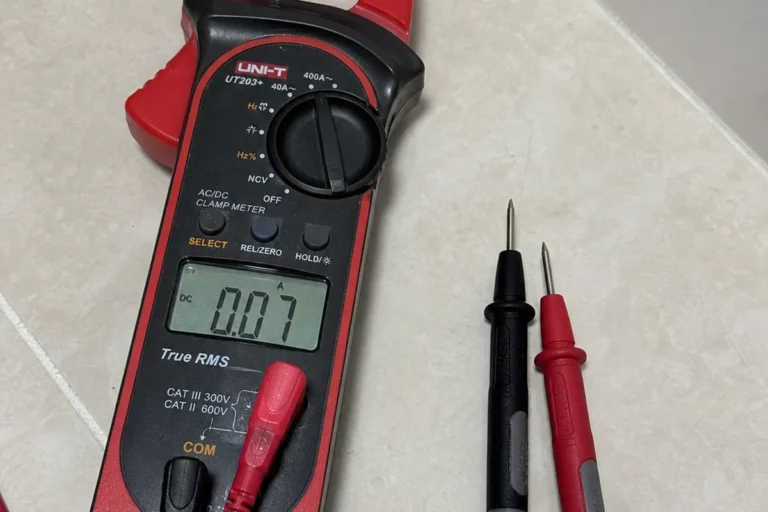
Most residents do not need to measure household voltage themselves. If lights repeatedly flicker, appliances behave unusually, or there are signs of electrical damage, avoid opening electrical fittings and arrange an assessment by a qualified professional.
Why Do Some Websites Say 220V or 240V?
Electrical systems and product labels have not always used identical nominal descriptions. A device may carry an input label such as “220–240V” because it was designed for a range of supply voltages. Older online references may also use 220V or 240V as shorthand. Singapore’s current nominal single-phase value in the regulations is 230V, with the permitted variation defined there.
Do not decide that an appliance is compatible based on a web search snippet alone. Check the actual product label, its frequency requirement and the manufacturer’s instructions. Where the information is unclear, ask the manufacturer or supplier before connecting it.
What Does 50Hz Mean?
Hertz measures the frequency of alternating current: 50Hz means the AC waveform completes 50 cycles per second. Appliances designed for use on mains power are built around electrical specifications that can include both voltage and frequency. A plug shape fitting a socket does not prove the appliance is electrically compatible.
Can I Use an Overseas Appliance in Singapore?
Start with the input label or manual. Check the supported voltage range, frequency, current or wattage requirements, earthing arrangement and plug type. Some electronic power supplies support a wide input range; other appliances may be designed for a particular voltage or frequency. Never assume all devices are dual-voltage.
A plug adapter changes the connection shape; it does not normally convert the voltage. A voltage converter or transformer, where suitable, must be selected for the appliance’s actual input requirement and power demand. It may still be the wrong solution for equipment with motors, heating elements or special control electronics. Follow the manufacturer’s guidance and consult a qualified supplier when unsure.
Voltage, Plug Type and Socket Safety Are Different Questions
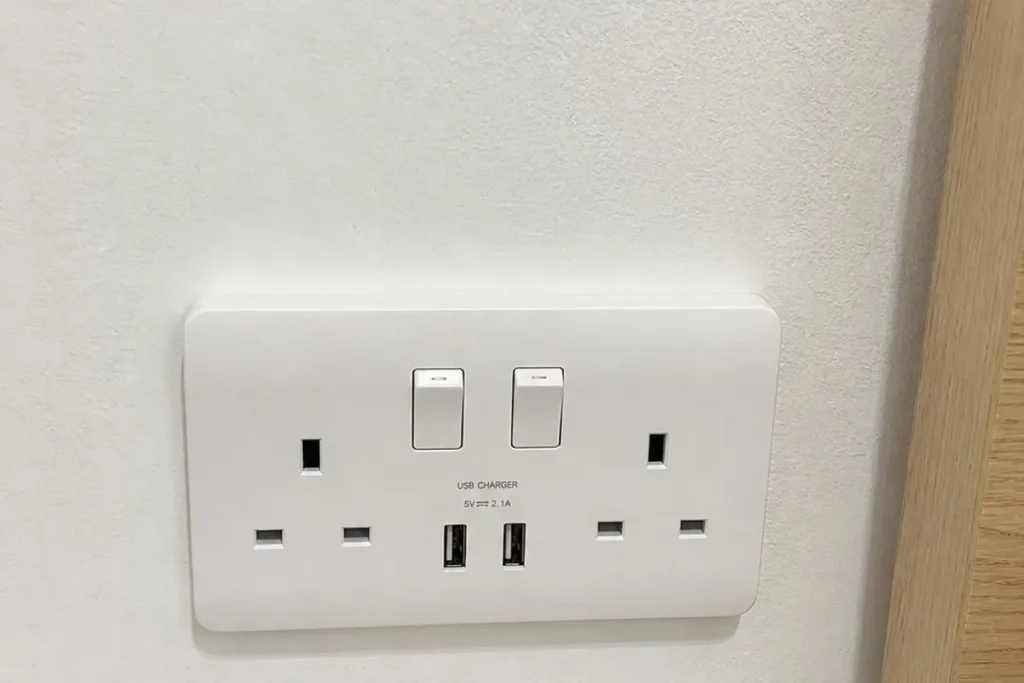
Three checks are separate: whether the voltage and frequency are suitable, whether the plug is approved and compatible, and whether the socket and circuit are appropriate for the appliance. An adapter cannot make an unsuitable plug or overloaded connection safe. Singapore’s Consumer Product Safety Office provides guidance on the mains plug types considered suitable for local use.
If you need a new outlet, a damaged socket replaced or an appliance connection reviewed, see our Power Point and Socket Installation / Repair page. Electrical work involving installation, repair or replacement of fixed points should be handled by an EMA-licensed electrical worker of the appropriate class.
When Should You Call an Electrician?
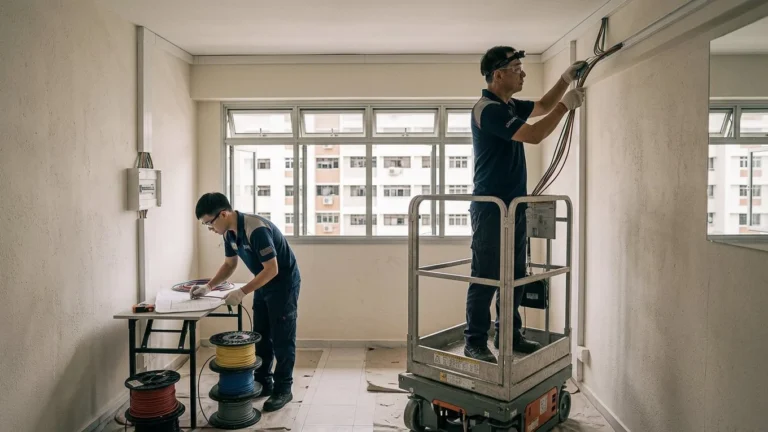
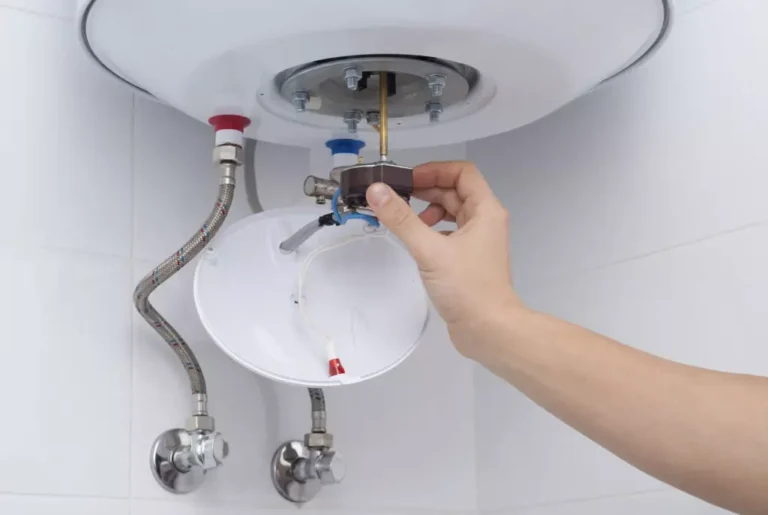
Get professional help if an outlet becomes hot, a plug shows scorch marks, there is a burning smell, an appliance causes repeated trips, or you suspect damaged wiring. Stop using the affected equipment. Do not remove covers or carry out live tests to check the supply voltage.
Frequently Asked Questions
Is Singapore 220V or 240V?
The nominal single-phase mains supply stated in Singapore’s regulations is 230V AC. A permitted voltage variation applies, and some appliances display a supported range such as 220–240V.
Is Singapore’s electrical frequency 50Hz?
Yes. The nominal frequency listed in the electricity supply regulations is 50Hz.
Does a travel adapter convert voltage?
Usually not. A travel adapter changes plug configuration. It should not be treated as a voltage converter unless the product explicitly includes that function and is suitable for the appliance.
Can I use a 110V appliance in Singapore?
Only if the appliance label and manufacturer instructions confirm that the available supply is supported, or an appropriate conversion solution is specified. Check the appliance’s wattage and operating requirements first; do not plug a 110V-only appliance directly into a 230V supply.
Use the Rating Label, Not an Assumption
Knowing Singapore’s nominal voltage helps, but safe appliance use also depends on frequency, plug compatibility, circuit capacity and the condition of the installation. Check the manufacturer’s specifications and use a qualified professional for electrical work.
For socket installation or repair enquiries, call TRUST ELECTRICIANS on +65 8409 2646.
Official sources
- Singapore Statutes Online: Electricity (Electrical Installations) Regulations, regulation on supply voltage and frequency
- Consumer Product Safety Office: Types of mains plugs suitable for use in Singapore
Guides are written for general information and checked against the official sources above. Electrical work on fixed installations in Singapore must be carried out by a licensed electrical worker.
Trust Electricians
Need help with an electrical problem?
Talk to a BCA-registered, EMA-licensed electrical contractor. We explain what we find and quote before any work starts, for HDB, condo, landed and commercial properties across Singapore.