7 Electrical Warning Signs in Singapore Homes You Should Never Ignore
Burning smells, hot power sockets, repeated circuit-breaker trips and flickering lights can be warning signs of an electrical problem in your home. Some faults may appear minor at first, but damaged wiring, loose connections and overheating components can create a risk of electric shock or fire.
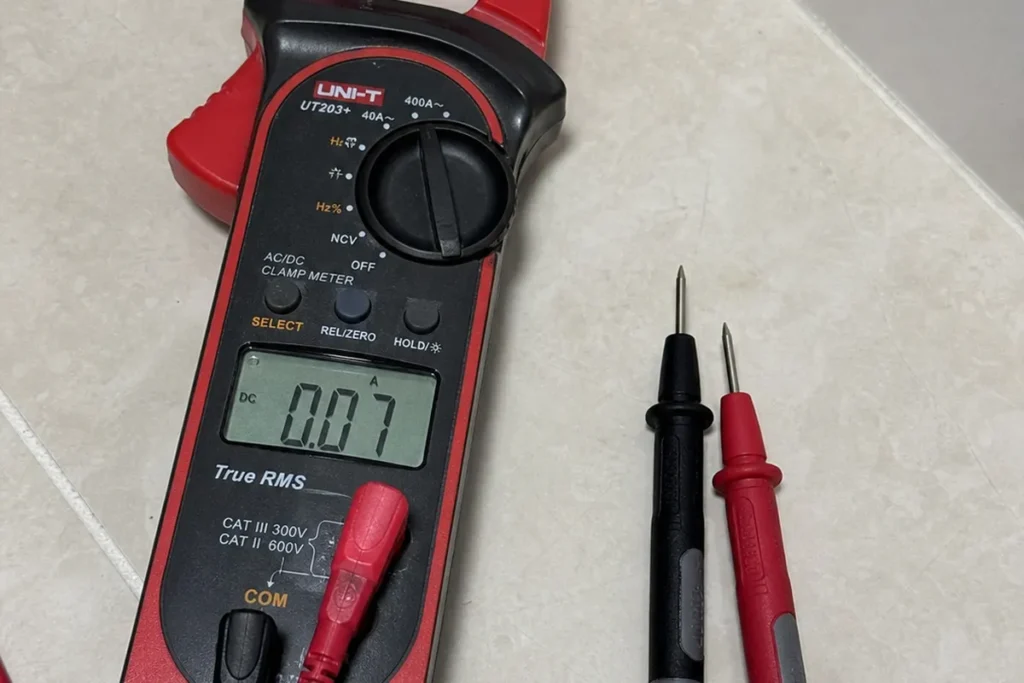
Knowing what to look for can help you respond before the problem gets worse. If you notice unusual heat, smoke, sparks or other signs of damage, stop using the affected electrical point and arrange an assessment by an appropriately licensed electrical worker.
1. A Burning Smell Coming from a Power Socket
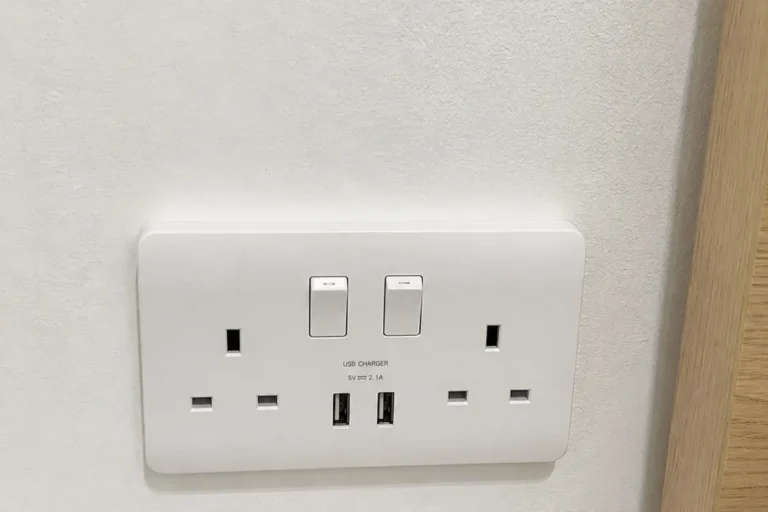
A burning or melted-plastic smell near a power socket, light switch or distribution board (DB box) should never be ignored. It may indicate overheating, a loose connection, damaged insulation or a failing electrical component.
Sometimes the smell appears before any visible damage. Do not assume the problem has disappeared simply because the odour becomes less noticeable.
Look out for:
- A burnt-plastic smell around a socket or switch.
- Brown or black marks on a plug or power point.
- Melted plastic, smoke or visible scorching.
- A burning smell that returns when an appliance is used.
Stop using the affected point. Do not touch a smoking or unusually hot fitting, remove its cover or attempt to inspect the wiring yourself. If there is active smoke or fire, move to safety and contact emergency services.
An electrical inspection can help establish whether the fault involves the socket, connected appliance or wiring behind the wall.
2. Your Power Socket or Switch Feels Unusually Hot
Electrical fittings that become unusually hot during normal use may have a loose connection, a damaged contact or an electrical load problem. Heat accompanied by a burning smell, buzzing or discolouration is particularly concerning.
This problem can occur when a socket deteriorates or when an unsuitable arrangement of adaptors places excessive demand on a power point.
Check for these symptoms:
- A plug or socket that becomes unusually hot.
- A plug that fits loosely into the socket.
- Cracks, melting or discolouration around the fitting.
- Unusual heat accompanied by buzzing or a burning smell.
Do not continue using an overheating socket. Avoid touching it to investigate further, and arrange an inspection by a licensed electrical worker.
For damaged or unreliable power points, TRUST ELECTRICIANS provides electrical repair services in Singapore. The appropriate repair depends on the condition of the fitting and the underlying cause.
3. Sparks, Buzzing or Crackling Sounds
A small, brief spark can sometimes occur when an electrical connection is made. However, repeated sparks, visible arcing, crackling sounds or persistent buzzing from a socket, switch or DB box should be investigated.
These symptoms can indicate a loose connection, damaged insulation, a faulty switch or another electrical fault.
Pay attention if:
- A socket repeatedly produces visible sparks.
- A switch makes a crackling or buzzing sound.
- A plug or fitting appears damaged.
- Sparking occurs alongside unusual heat or a burning smell.
Stop using the affected point. Do not repeatedly switch it on and off or attempt to tighten internal connections.
If the noise or sparking comes from the DB box, keep clear and arrange professional assistance. A DB box inspection and repair can help identify the source of the problem.
If there is active smoke, fire or immediate danger, leave the affected area and contact emergency services.
4. Your Circuit Breaker Keeps Tripping
A circuit breaker is designed to interrupt the electrical supply when it detects certain fault conditions. If it trips repeatedly, it may be responding to an overload, a short circuit or another problem that needs to be identified.
Common causes include:
- Circuit overload: Several appliances draw more current than the circuit can safely support.
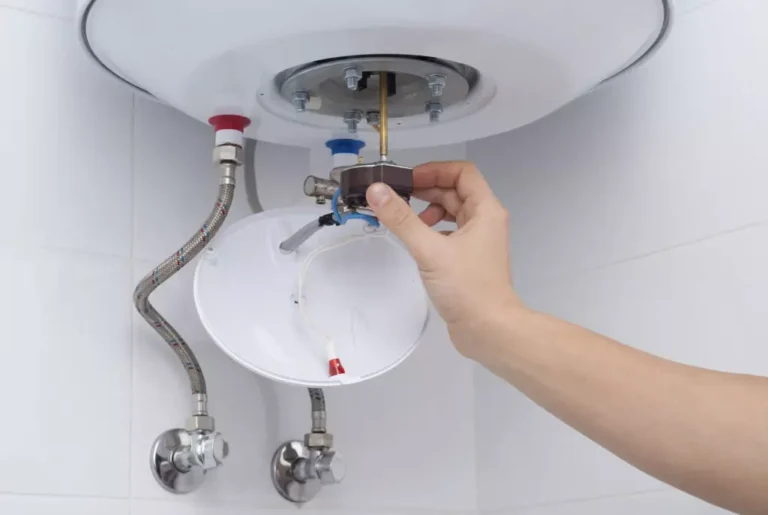
- Faulty appliance: A damaged kettle, washing machine, water heater or other appliance causes a trip.
- Short circuit: An unintended electrical connection creates a fault.
- Current leakage: Damaged insulation, moisture or faulty equipment causes a protective device to operate.
- Faulty protective device: A circuit breaker or other safety component needs testing.
What Should You Do When a Breaker Trips?
If the breaker trips repeatedly, do not keep resetting it. If there is a burning smell, smoke, sparking, visible damage or water around electrical equipment, keep clear and seek professional assistance.
Do not open the DB box, bypass a protective device or attempt to replace a breaker yourself.
The solution is to identify and correct the cause rather than simply restore the power. If your home experiences recurring trips, our power trip electrician service in Singapore is relevant to the problem.
5. Your Lights Flicker or Change Brightness Unexpectedly
Occasional flickering may be caused by a loose bulb or an incompatible lamp. However, persistent flickering, unexplained dimming or sudden changes in brightness can sometimes indicate a problem with the electrical connection or circuit.
The pattern can provide useful information.
If only one light flickers, the problem may be limited to the bulb or fitting. If several lights flicker together, particularly when an appliance starts, the cause may involve a wider part of the electrical installation.
Do not assume that replacing the bulbs will solve every flickering problem.
Arrange an inspection if the flickering continues, affects multiple rooms or occurs alongside buzzing sounds, unusual heat or repeated circuit-breaker trips. A professional can test the affected circuit and determine the appropriate repair.
6. You Feel a Tingling Sensation When Touching an Appliance
An electric shock or tingling sensation when touching an appliance, switch or metal casing is a serious warning sign. It may indicate electrical leakage, damaged insulation, faulty equipment or an earthing problem.
Do not touch the appliance again to check whether the sensation returns.
Instead:
- Stop using the affected appliance or electrical point.
- Keep other people away from the equipment.
- Avoid touching any exposed wire or damaged fitting.
- Arrange a professional electrical assessment.
If someone is receiving an electric shock, do not touch them while they remain in contact with the electrical source. Disconnect the power only if it is safe to do so, and contact emergency services.
Even a mild shock should not be dismissed without considering the possibility of an electrical fault.
7. You Notice Damaged Cables or Exposed Wiring
Electrical cables and fittings can become damaged through ageing, renovation work, accidental impact or everyday use. Frayed insulation, exposed conductors, cracked socket covers and crushed cables should not be treated as ordinary wear and tear.
Damaged insulation can expose live components and increase the risk of electric shock or fire.
Never use insulation tape as a permanent repair for a damaged power cord, and never attempt to reconnect exposed wires yourself.
If fixed wiring is damaged, the affected section may require testing, repair or replacement. The correct solution depends on the location and extent of the fault.
For suspected wiring problems, see our electrical wiring repair service in Singapore.
Note: When Should You Treat an Electrical Fault as an Emergency?
Smoke, active sparking, a strong burning smell, visible melting and electric shocks are serious warning signs.
Keep away from the affected equipment. Do not open sockets or the DB box, touch exposed wires or pour water on an electrical fire. If there is a fire or immediate danger, evacuate the area and contact emergency services.
For persistent electrical problems without immediate danger, stop using the affected point and arrange an assessment by an appropriately licensed electrical worker.
Do not continue operating faulty equipment simply because the electricity supply appears to be working normally.
How Can You Reduce Electrical Risks at Home?
Simple habits can help you notice problems early and reduce avoidable electrical risks.
- Avoid overloading sockets. Do not connect multiple adaptors together or use unsuitable arrangements for high-power appliances.
- Replace damaged equipment. Stop using cracked sockets, frayed cords and visibly damaged plugs.
- Keep electricity away from water. Never handle plugs or switches with wet hands.
- Take recurring symptoms seriously. Repeated trips, unusual heat and persistent flickering should not be ignored.
- Know where your DB box is located. This helps you explain a power problem to an electrician without needing to inspect internal components.
- Test your RCCB regularly. Singapore's Energy Market Authority recommends monthly testing of the Residual Current Circuit Breaker (RCCB). Follow the official safety instructions, and seek professional help if the device fails to operate as expected.
For more information, read the Energy Market Authority's official electrical safety guidance.
Why Should You Engage a Licensed Electrical Worker?
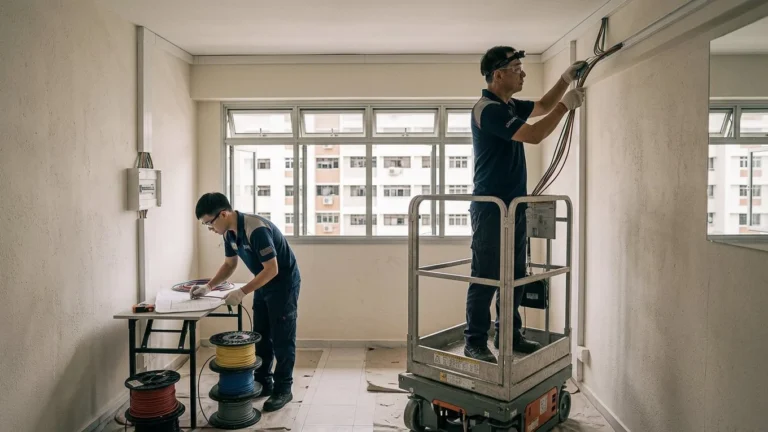
Not every electrical fault can be diagnosed by looking at a socket or switch. A damaged fitting may have an underlying wiring issue, while repeated power trips may originate from an appliance, a circuit or a protective device.
Attempting a repair without the appropriate knowledge and equipment can leave the original problem unresolved.
Singapore's Energy Market Authority advises consumers to engage a Licensed Electrical Worker (LEW) for electrical work such as wiring installation, rewiring, modifications, power-point changes and circuit-breaker repairs or replacements.
Before engaging a professional, check that the worker has a valid licence appropriate to the work. You can find more information in EMA's guide to engaging licensed electrical workers.
TRUST ELECTRICIANS provides electrical repair, wiring and related electrical services for residential and commercial properties in Singapore. The appropriate solution depends on the symptoms, the condition of the installation and the findings of a professional assessment.
Frequently Asked Questions
What are the common signs of faulty electrical wiring in a house?
Common warning signs include burning smells, unusually hot sockets, flickering lights, repeated circuit-breaker trips, buzzing sounds and damaged insulation. These symptoms do not always mean the wiring itself is faulty, so a professional assessment is needed to identify the actual cause.
Is a hot power socket dangerous?
A socket that becomes unusually hot, especially when accompanied by a burning smell, discolouration or a loose connection, may indicate an electrical fault. Stop using the affected point and arrange an inspection rather than attempting to repair it yourself.
Why does my circuit breaker keep tripping in Singapore?
A breaker may trip because of an overloaded circuit, a faulty appliance, a short circuit, current leakage or a problem with the protective device. Repeated tripping should be investigated instead of repeatedly resetting the breaker.
Should I replace all the electrical wiring in an old HDB flat?
Not necessarily. The age of the flat alone does not determine whether complete rewiring is required. The condition of the existing cables, the installation's safety, the history of electrical faults and any planned renovation work should be considered before deciding between a repair, partial rewiring or full replacement.
Who should I call for electrical repairs in Singapore?
For electrical wiring repairs, faulty power points, recurring power trips and other electrical faults, engage an appropriately licensed electrical worker. You can contact TRUST ELECTRICIANS on +65 8409 2646 to discuss the symptoms and arrange the appropriate service.
Protect Your Home Before a Small Electrical Fault Becomes a Bigger Problem
Electrical problems do not always begin with a sudden blackout. Sometimes the first sign is an unusually hot socket, a light that keeps flickering or a circuit breaker that trips repeatedly.
Paying attention to these symptoms can help you identify problems before they develop into more serious safety concerns. Avoid makeshift repairs, stop using damaged electrical equipment and seek professional advice when the cause is uncertain.
TRUST ELECTRICIANS provides electrical repair, wiring and related services for homes and businesses across Singapore. If you have noticed a warning sign in your property, arrange an appropriate assessment instead of waiting for the problem to worsen.
For enquiries, call TRUST ELECTRICIANS on +65 8409 2646.
Official sources
- Official source: Energy Market Authority (EMA), Electrical Safety
- Official source: Energy Market Authority (EMA), Engaging Licensed Electrical Workers
Guides are written for general information and checked against the official sources above. Electrical work on fixed installations in Singapore must be carried out by a licensed electrical worker.
Trust Electricians
Need help with an electrical problem?
Talk to a BCA-registered, EMA-licensed electrical contractor. We explain what we find and quote before any work starts, for HDB, condo, landed and commercial properties across Singapore.